Public Health Preparedness
Preparing your local health department for the worst, while hoping for the best.
National health security is a state in which the nation and its people are prepared for, protected from, and resilient in the face of incidents with health consequences. Local health departments play a key role in achieving national health security by preparing their communities for disasters, responding when emergencies occur, and lending support through the recovery process.
NACCHO supports local health departments as they prepare for, respond to, and recover from public health emergencies by leading a wide range of projects that span both policy and practice. NACCHO’s preparedness portfolio works to align with federal partner initiatives including the Centers for Disease Control and Prevention’s (CDC’s) Public Health Emergency Preparedness (PHEP) Capabilities, as well as the Administration for Strategic Preparedness and Response’s (ASPR’s) Hospital Preparedness Program (HPP) and the National Health Security Strategy (NHSS). Projects within NACCHO’s preparedness portfolio focus on:
- Building and Sustaining Resilient Communities
- Enhancing the Use of Medical Countermeasures and Non-Pharmaceutical Interventions
- Ensuring Situational Awareness to Support Decision-Making
- Enhancing Public Health, Healthcare, and Emergency Management Systems
- Strengthening Global Health Security
- Building All-Hazards Preparedness Planning through Project Public Health Ready
- Building Resilient, Healthy, and Prepared Communities through the Medical Reserve Corps

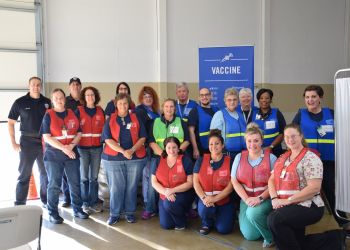
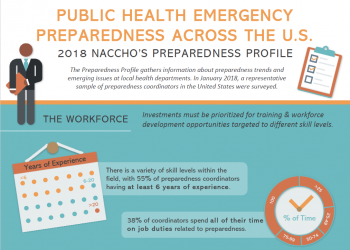


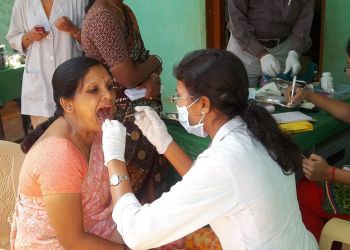

We have developed many tools to help with your preparedness needs, including a legal guidebook and a guide for incorporating administrative preparedness into exercise. You can find all of our resources in the NACCHO Toolbox.
NACCHO’s preparedness initiatives are also designed to help LHDs build sustainable capacity for emergency response, foster both private and public partnerships, and develop activities, tools, and resources, which include:
Communications
Communicating with our stakeholders including local public health, national policymakers, and the public through a variety of methods. The Preparedness Brief Blog shares the latest news, articles, and upcoming opportunities in local public health preparedness. To learn more about all of NACCHO’s workgroups, visit the Advisory Group Page.
Policy
Serving as a conduit through which local input can reach and affect change on national initiatives. This includes maintaining preparedness workgroups and developing policy statements to inform national policy and guidance.
Response Operations
Activating an incident command and work with partner organizations to support local health departments and federal partners maintain situational awareness and respond to emerging threats.
Technical Assistance
Developing and sharing resources, tools, and trainings. For example, NACCHO developed and offers the Roadmap to Ready training a mentorship program for new local preparedness coordinators.
Exercise and Training
NACCHO’s preparedness team works with local health departments to train public health professionals and conduct HSEEP-compliant exercises to increase response and recovery proficiencies.
As part of the program, a workshop for accepted participants will be held at the Preparedness Summit. For more information, the benefits and responsibilities of participating, and the application process, click here or email [email protected].
For questions or to learn more about NACCHO’s preparedness portfolio, please email [email protected].