Local health departments (LHDs) play a critical role in ensuring access to immunization services. For some individuals, particularly those with sensory sensitivities, anxiety, or neurodiverse needs, traditional vaccination settings can present significant barriers. Central Connecticut Health District (CCHD) is working to bridge this gap by developing a sensory-friendly vaccine clinic model that prioritizes flexibility, comfort, and patient-centered care.
A unique and expanding component of the department’s programming is its sensory-friendly vaccine clinic initiative, designed to create a comfortable and supportive environment for individuals who may struggle with traditional vaccination experiences. While originally developed with children and teens on the neurodiverse spectrum in mind, the program has intentionally broadened its reach.
“We wanted to make the experience easier for everyone, not just individuals on the spectrum. Anyone, child or adult, can experience anxiety or stress around vaccines. This approach ensures we’re meeting people where they are.”
– Lisa Coakley, Clinical Health Services Director
The initiative grew out of strong community partnerships, particularly with the Autism Society. Initial collaboration included distributing sensory kits at flu clinics, which helped staff better understand patient needs and sparked ideas for expanding accommodations. With continued support and funding, the program evolved into a more formalized, clinic-wide effort.
Today, CCHD offers sensory-friendly supports across both mass vaccination clinics and clinical health service settings. While mass clinics can present challenges in controlling environmental factors like noise and lighting, staff have introduced creative solutions such as partitions to create quieter spaces, along with sensory tools, bean bag chairs, and calming activities.

In clinical settings, patients can request individualized accommodations when scheduling appointments. This includes options like extended appointment times, sometimes up to an hour for families, to ensure visits never feel rushed. This allows not only the children to receive their vaccines, but the parents as well. The clinics also offer low lighting and light covers, white noise or sound machines, alternative seating options such as wiggle seats and bean bag chairs, sensory and fidget toys, and fun bandages and small rewards to create a positive experience.
For individuals who benefit from remaining in familiar environments, CCHD also offers in-car vaccination options. This has proven especially valuable for individuals with mobility challenges or those unable to tolerate indoor clinical spaces. “We really try to meet people where they’re at and ask what would make the experience better for them,” Coakley explained.
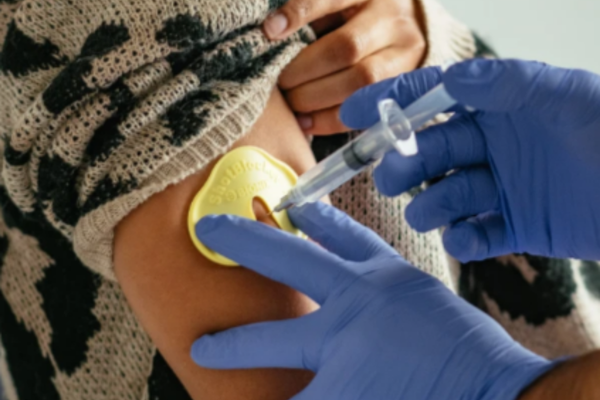
To reduce physical discomfort, the clinics use tools such as shot blockers and Buzzy Bee devices. While the Buzzy Bee device, which combines cold and vibration, has logistical challenges in high-volume settings, shot blockers have emerged as a highly effective and popular intervention.
“Most people don’t know what shot blockers are at first, but once they try them, they make a big difference,” Coakley noted. “Even adults have been eager to use them.” These simple tools, combined with calming environments and supportive staff, help improve patient comfort and acceptance of vaccines.

Central to the initiative is staff training. In partnership with the Autism Society, CCHD developed training modules for vaccinators and volunteers focused on working with neurodiverse populations and individuals with sensory sensitivities. The training emphasizes clear communication, patience, and adaptability. For example, vaccinators are trained to avoid sarcasm, use straightforward language, and adjust their approach in real time based on patient cues. This trauma-informed approach ensures that staff are not only equipped with tools, but also the mindset needed to provide compassionate, individualized care.
Community partnerships continue to shape and strengthen the program. Collaboration with local Special Education Parent Teacher Organizations (SEPTOs) has been key to refining clinic operations, from scheduling adjustments, such as offering later clinic hours, to identifying priority accommodations.
Central Connecticut also gathers feedback through post-clinic surveys, ensuring that patient and family voices remain central to ongoing improvements. Additional touches, such as therapy dogs at family-focused mass clinics, have further enhanced the welcoming environment and helped reduce anxiety for younger patients.
The program’s impact is evident in both data and stories. Nearly a quarter of pediatric appointments include at least one accommodation request, highlighting the clear demand for these services. The clinic has also seen a strong return rate, with approximately 42% of patients coming back year over year. Staff report an increase in pediatric vaccination uptake, particularly for flu vaccines, as well as improved patient confidence and comfort over time.
One parent shared:
“I have two kids that require a flu vaccine. As you’d imagine, they do not like getting shots, but last year here went so well that we knew we had to come back. The calm space, shot blocker, and little toys at the end were perfect for them.”
For many families, these clinics fill a critical gap. Coakley explained, “Most people can get their needs met in a traditional doctor’s office, but there’s a small group who couldn’t. Until now.”
For other LHDs interested in implementing sensory-friendly services, Coakley emphasize starting small.
“You don’t need to invest in a lot of equipment right away. Start by talking to patients and families. Many changes, like adjusting lighting, reducing noise, or allowing more time, doesn’t cost anything.”
– Lisa Coakley
She also stresses that flexibility is key and that not every experience will go perfectly. Continuous learning and responsiveness to community feedback are essential.
Looking ahead, CCHD plans to sustain and expand these services, integrating sensory-friendly practices into routine clinical operations and budgeting for ongoing needs.
This sensory-friendly clinic model demonstrates how LHDs can remove barriers to immunization by centering patient needs, leveraging community partnerships, and adopting trauma-informed practices. By designing services that are flexible, LHDs can ensure that more individuals, particularly those who have historically faced challenges accessing care, can receive vaccinations in a supportive and positive environment. As this program continues to grow, it offers a replicable model for other health departments seeking to advance accessible immunization services in their communities.