While aquatic facility operators are responsible for ensuring that pools are safe and properly equipped, local health departments (LHDs) can empower the public with information on how to reduce drowning events. NACCHO encourages LHDs to create and share educational materials outlining swimming do’s and don’ts, signs someone is drowning, information about local swimming lessons, and Cardiopulmonary Resuscitation (CPR) certification.
LHDs can champion these recommendations for pool operators in their communities. Drowning is preventable, and LHDs and pool operators play an important role. Understanding the causes of drowning, identifying people most at risk, and implementing and maintaining appropriate safety measures in aquatic venues can help reduce the risk of drowning.
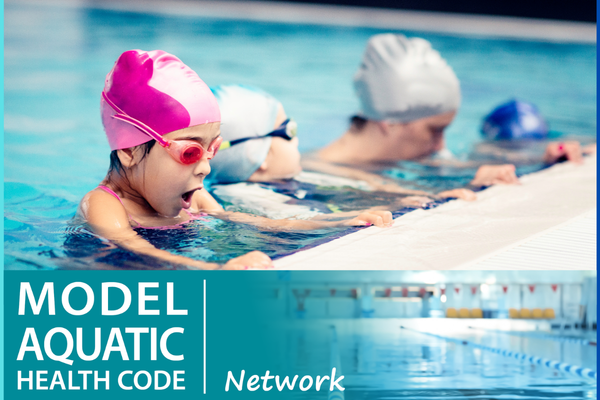
NACCHO is excited to release a new Model Aquatic Health Code (MAHC) quick guide ahead of World Drowning Prevention Day (July 25).
Target audience: This guide can be used by local, state, tribal, and territorial health departments and aquatic venue operators as a tool for understanding important recommendations for identifying and preventing drowning in recreational water facilities based on key takeaways from CDC’s 2024 MAHC and other sources.