Last Updated: August 24, 2026 | This post will be updated as the situation evolves.
Are you or your health department actively engaged in responding to New World screwworm in the United States? We want to hear from you. NACCHO is collecting information from members about: What role your local health department (LHD) is playing in monitoring, responding to, or communicating about the New World screwworm situation; and any gaps in federal support or resources that NACCHO can help elevate or advocate for on your behalf. Please fill out this form to let us know- hearing from you directly helps NACCHO better advocate for the resources and federal support that LHDs need—and ensures your work is visible and recognized.
Current Situation: What We Know
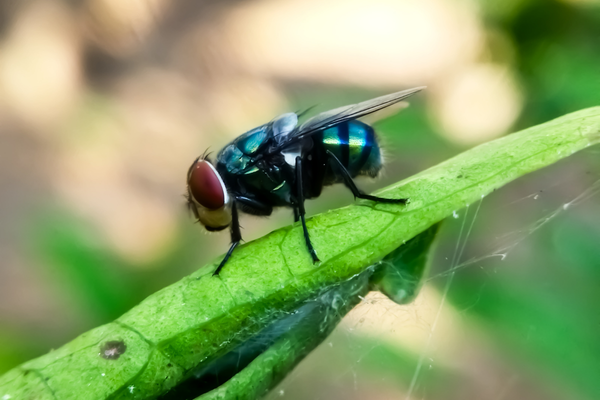
On June 3, 2026, the U.S. Department of Agriculture’s (USDA) Animal and Plant Health Inspection Service (APHIS) announced that it has confirmed the detection of a New World screwworm (NWS) in a bovine in Zavala County, Texas. NWS is a serious pest that affects livestock, pets, wildlife, and less commonly, people and birds. NWS larvae (maggots) burrow into the flesh of living animals, causing serious damage to livestock and economic losses. USDA and APHIS manage the eradication effort via sterile insect technique: a proven tool for fighting the spread of NWS since the 1950s.
On June 8, 2026, the USDA confirmed the first case of New World screwworm in a dog in Lea County, New Mexico, and the fourth case in Texas.
As of June 22, 2026, USDA reports that there are 12 active animal cases and 3 inactive animal cases in the United States.
As of July 7, 2026, USDA reports that there are 18 active animal cases and 14 inactive animal cases in the United States.
As of August 23, 2026, USDA reports that there are 2 active animal cases and 44 inactive animal cases in the United States.
NWS is not transmissible from an infected animal or person.
Why Local Health Departments Matter in This Response
LHDs are often the first line of defense when a new public health threat emerges. In a situation like this one, LHDs field community questions, coordinate with the local livestock community, ensure rapid detection and reporting of human cases, and identify human populations at risk. LHDs are essential partners in ensuring an effective and timely public health response.
Local health departments can take the following steps at this time to prepare:
- Identify new or reconfirm regional and state points of contact for state health and agriculture departments, veterinarians, and labs.
- Prepare communication materials ahead of time on the local risk, and what to do if you suspect a case.
Information on the One Health response at the federal level and information for a variety of audiences, including public health officials, healthcare providers, livestock producers, and veterinarians, is available at screwworm.gov.
NACCHO is committed to supporting this work. We will continue to track the situation and update this post as new information becomes available. Please reach out to NACCHO if you are engaged in this response (details below).
Public Resources and Guidance
The following resources are publicly available and may be useful for LHD communications, situational awareness, and clinical coordination:
CDC Resources:
- New World Screwworm Outbreak — General information about NWS, including symptoms, risk factors, how it spreads, prevention, treatment, and animal impact.
- New World Screwworm Case Reporting for Health Departments — Reporting instructions and confirmatory testing
- Preparing for New World Screwworm Infestations in Humans — Outlines key actions that state, tribal, local, and territorial health officials may take to improve jurisdictional readiness to respond to human cases of NWS infestation
- Web-Based Training: Rapid Recognition and Response to New World Screwworm — 45-minute interactive course by CDC and Banyan Communications to prepare clinicians to recognize, manage, and report suspected NWS infestations
- CDC - DPDx - New World Screwworm — Information on sample collection and laboratory identification
- Laboratory Diagnosis of New World Screwworm (Spanish language) — PDFs with information on sample collection for identification
- Telediagnosis of New World Screwworm — Guidelines for submitting images for healthcare providers and laboratorians
- Clinical Overview of New World Screwworm (Spanish language) — Clinical information for health care providers
- Communication Resources — CDC webpage with information about NWS risk in English and Spanish for the general public, at-risk populations such as agriculture workers, healthcare providers, public health professionals, and providers of homeless services
USDA Resources:
- New World Screwworm Website — Information on One Health response at the federal level and information for a variety of audiences, including public health officials, healthcare providers, livestock producers, and veterinarians
- The Facts about New World Screwworm — Factsheet addressing common myths and misconceptions about NWS
- Emergency Response — Tools and resources to prepare for and respond to an outbreak of this pest, including a response playbook
- New World Screwworm: What You Need to Know Before Traveling Internationally with a Pet — Information for pet owners on how to protect and transport pets
FDA Resources:
- FDA Issues Emergency Use Authorization for Generic Over-the-Counter Drug to Treat New World Screwworm in Dogs and Cats — On June 11, 2026, the FDA issued an Emergency Use Authorization for generic Nitenpyram Tablets (nitenpyram) for the treatment of NWS infestations (myiasis) in dogs, puppies, cats, and kittens that weigh at least two pounds and are at least four weeks old. This is the first generic animal drug authorized for use against NWS.
State and Local Resources:
- New World Screwworm from San Diego County Health & Human Services — Information on prevention; transmission (spread); symptoms, diagnosis and treatment; and resources for healthcare providers and veterinary professionals
- New World Screwworm: A Reemerging Threat from Texas Health and Human Services — Resources on NWS and humans and identifying NWS as well as resources for pet owners and healthcare providers
- Texas Department of State Health Services Health Advisory: Raising Awareness about New World Screwworm — Includes recommendations for healthcare providers and resources from a variety of sources
We will continue to add resources to this list as additional public-facing documents are released by CDC, USDA, and other federal partners.
Resources for NACCHO Members
NACCHO members can access additional peer-to-peer discussion, real-time information sharing, and member-specific resources through our Emerging Public Health Threats Virtual Community. If you are not yet a member of this community, log in using your myNACCHO account at https://virtualcommunities.naccho.org/ncov/home.
Tell Us How You’re Responding — We Want to Hear From You
Are you or your health department actively engaged in responding to NWS? We want to know.
NACCHO is collecting information from members about:
- What role your LHD is playing in monitoring, responding to, or communicating about the situation
- Any gaps in federal support or resources that NACCHO can help elevate or advocate for on your behalf
Please fill out this form to let us know. Hearing from you directly helps NACCHO better advocate for the resources and federal support that LHDs need—and ensures your work is visible and recognized.
About NACCHO
The National Association of County and City Health Officials (NACCHO) represents the approximately 3,300 local health departments across the United States. NACCHO’s mission is to improve the health of communities and strengthen and support local health departments. Learn more at naccho.org.
This post will be updated as new information is released.