Policy & Advocacy
As the national voice for local health departments, NACCHO serves a critical role in Washington, advocating for local public health with federal policymakers. Our advocacy efforts are guided by our Federal Legislative and Policy Agenda, which is informed by our members and approved annually by NACCHO’s Board of Directors. In 2024, our key priorities are:
- Strengthening and supporting the public health workforce;
- Bolstering and improving access to federal public health funding, including resources to support public health infrastructure and data modernization at the local health department level;
- Ensuring federal public health funding flows from the federal to states and local communities quickly and equitably; and
- Addressing a wide range of public health concerns through work in coalition with partners.
2024 Local Public Health on the Hill


NACCHO's policy statements and communications to Congress and the administration on a multitude of issues can be found here. The organization's Board of Directors determines positions on public health issues. Learn how local health departments have used NACCHO's policy statements to influence local, state and federal policy.
NACCHO members participate actively in the organization's policy development process through workgroups. Individual members are also invited to submit policy statements to be considered by the relevant workgroup and the Board of Directors.
Connect with NACCHO Government Affairs.
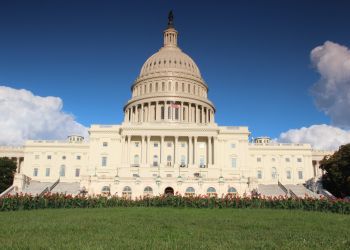


Local health department officials are encouraged to contact their Members of Congress to educate them on issues surrounding public health.
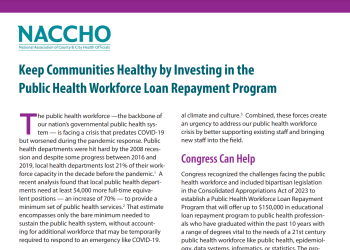
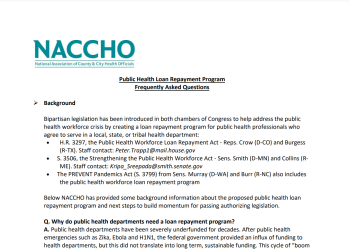
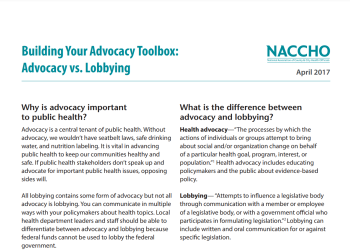
You can find blog posts on federal policy on NACCHO Voice.

To contact the Government Affairs team, please use the information below.
Public Affairs
Adriane Casalotti
Chief, Government & Public Affairs
JavaScript is required to reveal this message. / Email
Government Affairs
Victoria Van de Vate
Director, Government Affairs
JavaScript is required to reveal this message. / Email
Government Affairs
Lauren Mastroberardino
Senior Specialist, Government Affairs
JavaScript is required to reveal this message. / Email
Government Affairs
Molly Curington
Government Affairs Associate
JavaScript is required to reveal this message. / Email