Tackling Data Readiness: A Successful Pilot Program
Jun 06, 2025 | Shannon Duffy
This page requires a membership login. Log in or create an account by clicking the link below.
MyNACCHO LoginIn an era where timely and accurate data is crucial for public health responses, the Northern Kentucky Independent District Health Department and the City of Long Beach Department of Health and Human Services furthered the conversation on setting standards for data readiness as participants in a pilot project. This program, funded by the Administration for Strategic Preparedness and Response (ASPR) and supported by the National Association of City and County Health Officials (NACCHO), sought to enhance the collaborative approach for data-sharing frameworks. Alongside these efforts, the Association of State and Territorial Health Officials (ASTHO) conducted this pilot program as well with Ohio Department of Health, Washington State Department of Health, and Massachusetts Department of Public Health.
Pilot Program Overview
The primary objective of this innovative pilot program was to establish a bidirectional data-sharing framework between ASPR and local health departments. This framework aimed to ensure a coordinated, scalable, and timely response to public health emergencies. By fostering collaboration and enhancing data readiness, the program seeks to improve inventory management and asset tracking during crises.
Preparedness Summit 2025 Session Highlights
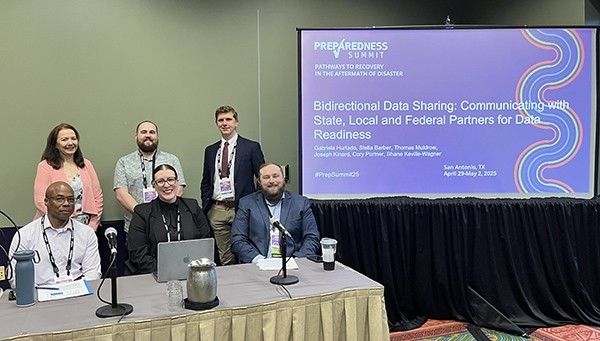
During a session at the 2025 Preparedness Summit, presenters shared detailed insights into stakeholder engagement for interoperability, which is critical for the successful adoption of data-sharing practices. Key topics discussed were the process of engaging stakeholders for the implementation of a Data Use Agreement, challenges faced with the different inventory management systems, and overall partner engagement.
Conclusion
This pilot program is forging a pathway to strengthen and streamline public health data readiness. The successful session highlighted the achievements of the program and reinforced the importance of continued collaboration, innovation in data-sharing frameworks, and the future work required to further data-readiness for health departments. As public health challenges evolve, such initiatives will be crucial in ensuring effective and timely responses to disasters. Recommendations and final findings from this year’s project will be made available in Fall 2025.
Further Readings on the Data Readiness Pilot Program