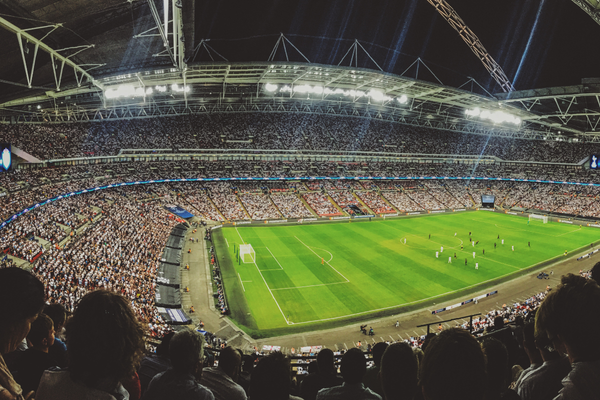
To support Local Health Departments (LHDs), State Associations of County and City Health Officials (SACCHOs), and key partners involved in host cities, neighboring regions, and Team Base Camp locations in planning for and strengthening public health preparedness and response activities related to the FIFA World Cup 2026™, NACCHO has convened a Community of Practice (CoP). Beyond the 11 U.S. game host cities, 21 additional U.S. communities will welcome teams as base camp training sites. Neighboring jurisdictions are planning on welcoming U.S. and international fans who seek lodging, meals, and entertainment.
Through monthly meetings and a virtual community, local health officials and local preparedness, epidemiology, and emergency management staff have shared planning activities, exchanged situational awareness, identified operational needs, and strengthened coordination across jurisdictions from a public health lens.
To following are some of the resources shared through the CoP.
- CDC’s Soccer Fan Safety Resource is a dedicated public health resource hub for soccer fans. The page is designed to serve a broad audience, for both domestic attendees and international visitors, and offers a centralized entry point to CDC guidance across a range of topic areas.
- FEMA’s FIFA World Cup 2026™ Stakeholder Toolkit is intended for local emergency managers, fire or police departments, city officials and faith leaders. Community leaders of all types can use this toolkit to encourage people to stay safe by following these simple steps.
- FEMA’s FIFA World Cup 2026™ Safety Messaging Toolkit for Businesses is intended for private-sector companies across industries. This toolkit includes an overview on business continuity, crisis communications, emergency response and information technology resources.
- Heat.gov’s Outdoor Event Heat Safety Tips, including key messages and outdoor safety graphics.
- The Council of State and Territorial Epidemiologists’ (CSTE) Notification Protocol and Data Collection Guidance provides recommendations and resources for health department notifications to CDC Port Health Stations of infectious individuals related to recent travel.
- CSTE’s Applied Epidemiology Recommendations for Mass Gatherings Preparedness and Response provides recommendations and resources related to the integration of applied epidemiology methods, tools, staff, and resources into mass gatherings planning and operations, focused specifically on World Cup 2026.
- The Association of Public Health Laboratories’ (APHL) Public Health Laboratory Readiness Checklist for Major Events is a readiness checklist for public health laboratories related to major domestic and international events such as the Super Bowl, Olympics, and FIFA World Cup 2026TM
Learn about some of the ways that local health departments are preparing and responding to World Cup activities:
- NACCHO Highlights Local Health Departments’ Preparedness Efforts Ahead of the FIFA World Cup 2026
- Preparing for the World Stage: The Role of Local Health Departments in FIFA World Cup Planning
NACCHO also hosted a virtual congressional briefing, titled “Strengthening Public Health Emergency Preparedness for the 2026 World Cup,” that allowed public health officials from host cities to discuss preparation measures for the 2026 FIFA World Cup. The panel represented communities in Texas, Missouri, and New Jersey, and presenters shared insights and coordination strategies currently underway in their regions.
Click here to register for upcoming CoP meetings.