Last Updated: August 12, 2026 | This post will be updated as the situation evolves.
Are you or your health department actively engaged in responding to Cyclosporiasis? We want to hear from you. NACCHO is collecting information from members about: What role your local health department (LHD) is playing in monitoring, responding to, or communicating about the cyclosporiasis situation; and any gaps in federal support or resources that NACCHO can help elevate or advocate for on your behalf. Please fill out this form to let us know- hearing from you directly helps NACCHO better advocate for the resources and federal support that LHDs need—and ensures your work is visible and recognized.
2026 Cyclosporiasis Outbreak: What We Know
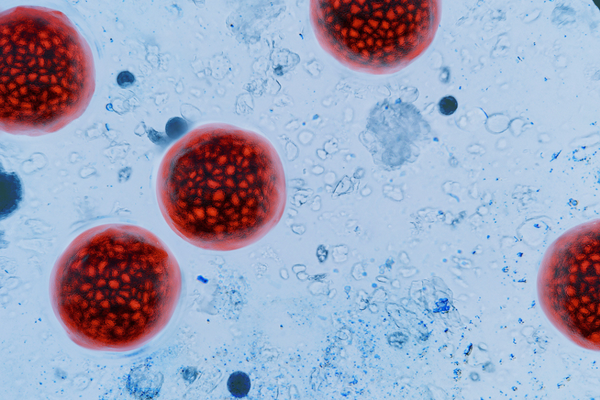
The FDA, CDC, and state and local partners are investigating an ongoing multistate outbreak of Cyclospora infections linked to iceberg lettuce sourced from central Mexico and recalled by Taylor Farms de Mexico on July 17, 2026. As of August 5, 2026, the outbreak includes 6,358 laboratory-confirmed illnesses across 15 states, with at least 278 hospitalizations across the impacted states and two reported deaths in Michigan among individuals with significant underlying health conditions. Epidemiologic investigations and FDA traceback activities have linked illnesses to recalled Taylor Farms de Mexico iceberg lettuce, including products sold through Walmart and lettuce supplied to certain Taco Bell locations.
Illnesses associated with the outbreak began between June 22 and July 31, 2026, and many occurred before the recall was issued. Because it can take up to six weeks to confirm and link cases to a Cyclospora outbreak, health officials expect the number of confirmed cases to continue increasing.
Why Local Health Departments Matter in This Response
LHDs are on the front lines of outbreak detection and response. By investigating cases, interviewing affected residents, communicating risks to the public, engaging local food establishments, and sharing findings with state and federal partners, LHDs provide the critical information needed to identify sources of illness, guide public health actions, and protect communities from further exposure.
Local health departments can take the following steps at this time:
- Enhance surveillance and case finding. Review recent gastrointestinal illness reports, encourage healthcare providers and laboratories to test for Cyclospora when clinically appropriate, and promptly report confirmed cases to state health departments.
- Conduct and support case investigations. Interview affected individuals about food exposures, purchase locations, restaurant visits, and symptom onset dates.
- Provide public education and risk communication. Share information with residents about the recalled iceberg lettuce products, symptoms of cyclosporiasis, and when to seek medical care.
- Engage local retail and food service establishments. Verify that recalled products have been removed from sale or service, reinforce recall awareness, and encourage adherence to FDA food safety guidance to prevent further cases.
- Coordinate with healthcare providers. Alert clinicians to the outbreak, common symptoms, and the possibility of prolonged or relapsing illness associated with Cyclospora infection.
- Support state and federal partners. Continue sharing epidemiological findings, exposure histories, and laboratory results with state, CDC, and FDA partners to improve understanding of the outbreak’s scope and support response efforts.
NACCHO is committed to supporting this work. We will continue to track the situation and update this post as new information becomes available. Please reach out to NACCHO if you are engaged in this response (details below).
Public Resources and Guidance
The following resources are publicly available and may be useful for LHD communications, situational awareness, and clinical coordination:
CDC Resources:
- Clinical Care of Cyclosporiasis – clinical features of cyclosporiasis and patient management.
- Cyclospora Outbreak Linked to Iceberg Lettuce – CDC’s food safety alert including recalled food, what you should do, what healthcare providers can do, and symptoms.
FDA Resources:
- Cyclospora – overview of cyclospora and resources for consumers, restaurants, and retailers
- Investigations of Foodborne Illness Outbreaks – FDA’s list of active investigations
Additional Resources:
- Guidelines for Foodborne Disease Outbreak Response – a comprehensive source of information on foodborne disease investigation and control for local, state, territories, tribes, and federal health agencies (from the Council to Improve Foodborne Outbreak Response)
- Tracking Cyclosporiasis – Association of State and Territorial Health Officials (ASTHO) feature blog with resources for state and local partners
- PopHIVE Cyclosporiasis Resources – Population Health Integrated Visualization Engine from Yale School of Public Health
We will continue to add resources to this list as additional public-facing documents are released by CDC, FDA, and other federal partners.
Resources for NACCHO Members
NACCHO members can access additional peer-to-peer discussion, real-time information sharing, and member-specific resources through our Emerging Public Health Threats Virtual Community and FBI Outbreak Response Community of Practice. If you are not yet a member of this community, log in using your myNACCHO account.
Tell Us How You’re Responding — We Want to Hear From You
Are you or your health department actively engaged in responding to cyclosporiasis? We want to know.
NACCHO is collecting information from members about:
- What role your LHD is playing in monitoring, responding to, or communicating about the situation
- Any gaps in federal support or resources that NACCHO can help elevate or advocate for on your behalf
Please fill out this form to let us know. Hearing from you directly helps NACCHO better advocate for the resources and federal support that LHDs need—and ensures your work is visible and recognized.
About NACCHO
The National Association of County and City Health Officials (NACCHO) represents the approximately 3,300 local health departments across the United States. NACCHO’s mission is to improve the health of communities and strengthen and support local health departments. Learn more at naccho.org.
This post will be updated as new information is released.