About
Discover what makes NACCHO the organization it is today.
The National Association of County Health Officials was founded in 1965. In early 1984, the organization experienced remarkable growth in membership and the organization opened its own office. In 1994, it was renamed to National Association of County and City Health Officials (NACCHO). [Learn more about our history.]
Since its inception, NACCHO has sought to improve the public's health while adhering to a set of core values: equity, excellence, participation, respect, integrity, leadership, science & innovation.
Photos of NACCHO in Action

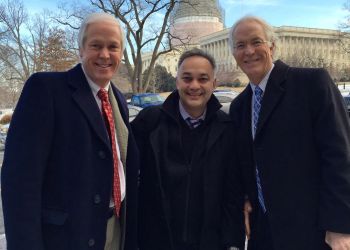
Advocating on Capitol Hill
NACCHO members are invited to participate in our annual Hill Day event.

Supporting Training at a Local Level
A woman receives breastfeeding training as part of our community health funding.

Activating During Crisis
The Manatee County MRC activating to support the Manatee County EMS and Manatee County Emergency Management.

Touring New Orleans for Pests
The City of New Orleans Mosquito, Termite and Rodent Control Board led a rodent and pest control tour of the French Quarter for over fifty NACCHO Annual attendees in July 2018.

Visiting the CDC Emergency Center
Attendees to the 2018 Preparedness Summit had the opportunity to visit the CDC Emergency Center in Atlanta.

Sharing Success at the Interoperability Showcase
This year’s PHI Conference in Atlanta featured compelling speakers along with poster sessions and the Interoperability Showcase, all reflecting the bold – and sometimes provocative – frontiers of health information technology.

Learning About Water Treatment
During the 2018 Preparedness Summit, attendees had the opportunity to visit a water treatment facility in Atlanta.

Connecting at Conferences
Each year, thousands of members of the public health community come together at our annual events.
Today, NACCHO comprises over 3,300 local health departments across the United States. Together, we form an organization focused on being a leader, partner, catalyst, and voice for change for local health departments around the nation.
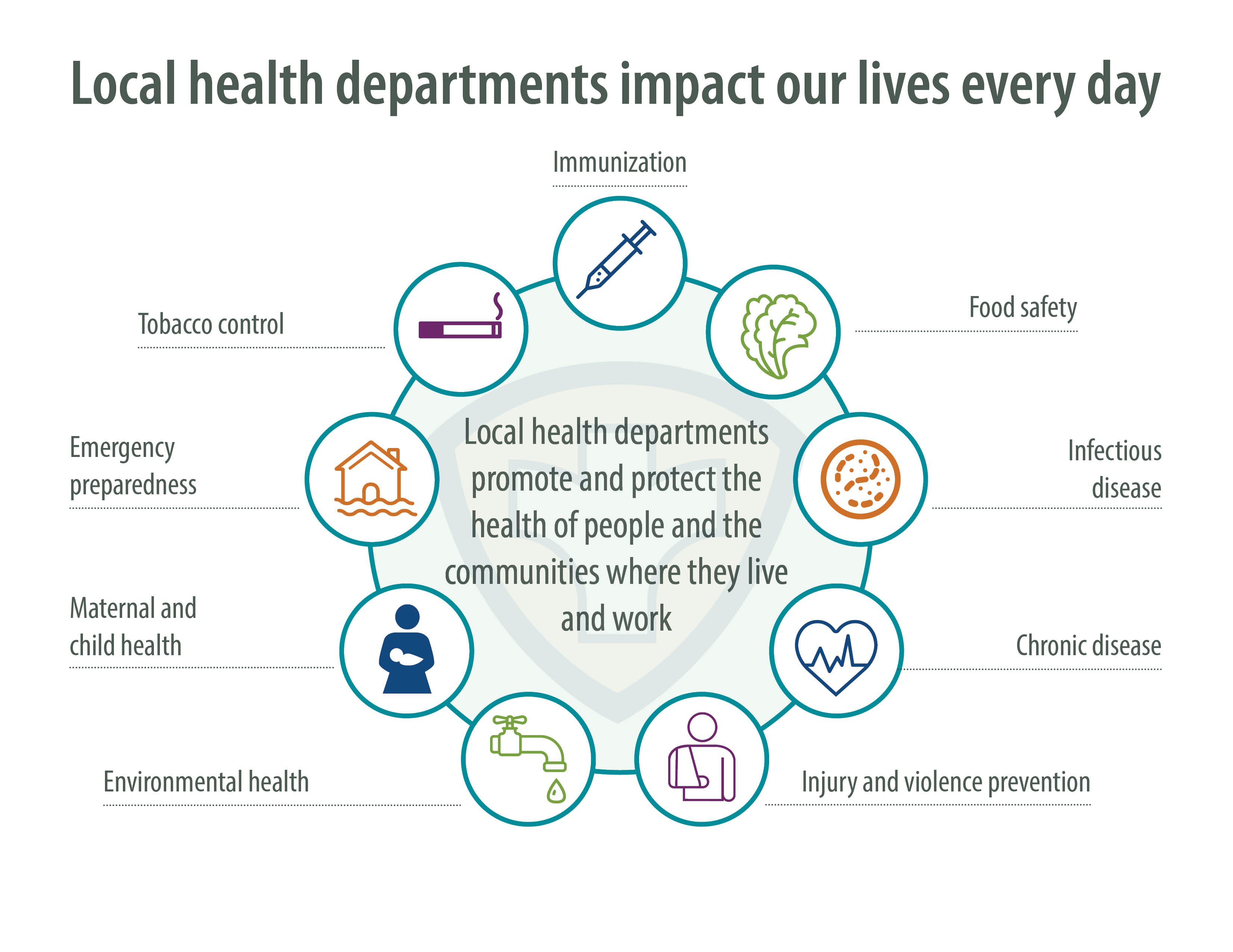
NACCHO is governed by our 27-member Board of Directors, comprising local and tribal health officials from across the country. All of our board members have been elected by their peers. All of our programs are overseen by various NACCHO Committees are made up of staff members from local health departments throughout the country.