Medical Reserve Corps
The Medical Reserve Corps (MRC) is a national network of local volunteer units that engage their local communities to strengthen public health, build resilience, and improve preparedness, response, and recovery capabilities.
NACCHO works in partnership with the Department of Health and Human Services, Administration for Strategic Preparedness and Response (ASPR), Office of the Medical Reserve Corps to:
- Build the capabilities of MRC units to meet needs during emergencies and disasters;
- Identify and address barriers to the use of MRC units and volunteers during emergencies and disasters;
- Support the sustainability of MRC units to maintain and develop response capabilities.
For more information, visit the ASPR MRC Webpage.
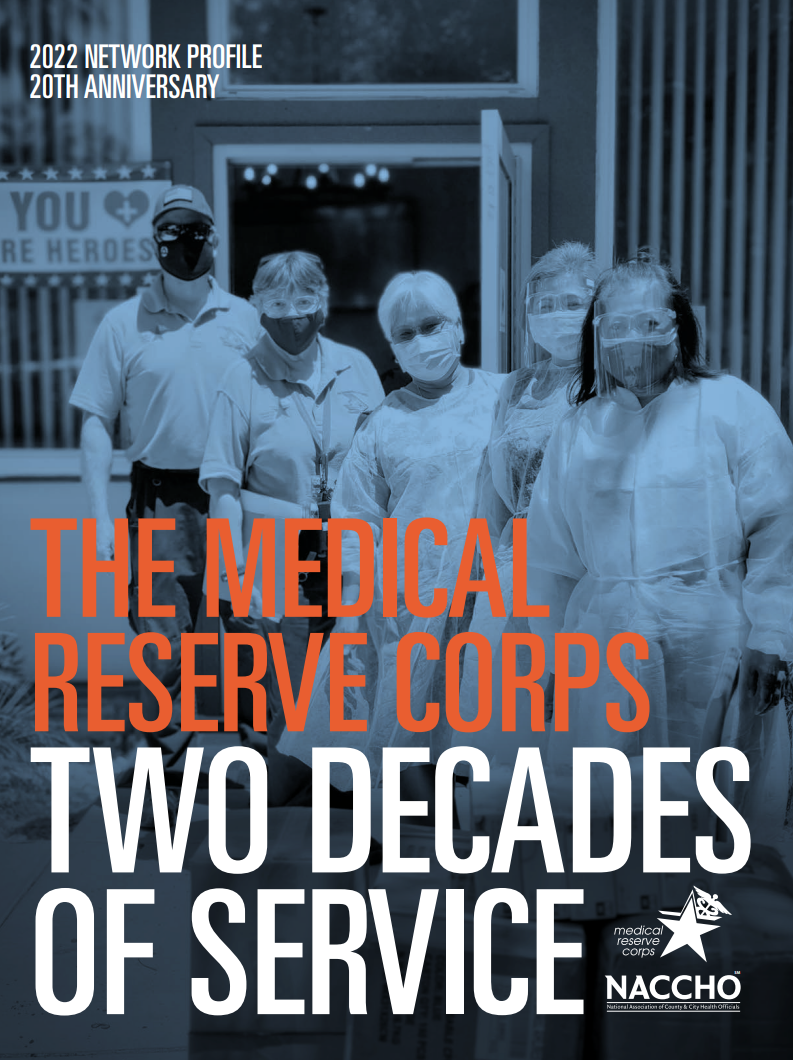
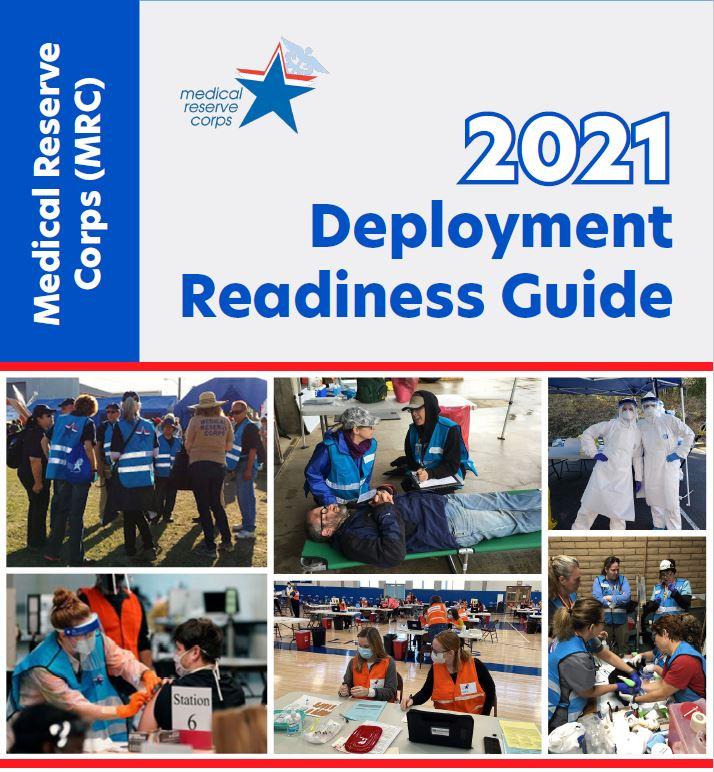
NACCHO's MRC Team has developed the following to support MRC units across the country including deployment readiness resources, funding opportunities, and information on the most recent Network Profile study.
E-Learning Opportunities
MRC-TRAIN is a free, online e-learning platform with training modules for MRC unit leaders and volunteers. MRC units can also upload their own individualized training content to the TRAIN platform. NACCHO published a series of six courses on MRC-TRAIN that were designed to provide resources and recommendations to MRC unit leaders on various foundational topics. To learn more, click here.
NACCHO University is another e-learning platform with self-paced learning modules created for MRC units including Deployment Readiness, MRC Unit Factors for Success, and MRC Core Competencies.
Communications
NACCHO has developed resources to assist MRC Unit Leaders and Stakeholders with their communication and messaging strategies. The NACCHO MRC Strategic Messaging Guide provides a roadmap for MRC units as they conduct community outreach and media interviews. It touches on the history of the MRC and shares some of the facts and figures behind this extraordinary organization.
NACCHO has also released the resource, Social Media Toolkit: A Primer for Local Health Department PIOs and Communications Professionals. The toolkit helps local health departments get started and grow their social media programs. For beginners as well as experienced practitioners, this toolkit features a description of platforms; how to develop a social media policy; how to integrate social media with your emergency communications plans; social media strategy; and emerging trends.
Psychological First Aid (PFA) Resources
PFA is an evidence-informed approach to respond to emotional and psychological needs after a natural disaster or act of terrorism. Find Train the Trainer PFA Facilitators Guide and Field Guide below:
MRC units work on a broad range of emergency preparedness and public health initiatives in their communities. Use the links below to explore stories from MRC units sharing best practices and celebrating the variety and creativity of units across the country.
Use the MRC "Find the Unit Nearest You" feature on the Office of the Medical Reserve Corps website to connect with leaders from featured units.
- Animal Response
- Behavioral Health
- Communications
- Community Engagement
- Community Resilience
- Drug Overdose Prevention
- Emergency Response
- Extreme Weather
- Health Promotion and Health Education
- Incident Command System (ICS)
- Leadership
- Mentorship
- Mission Sets
- Partnerships
- Points of Dispensing (PODs)
- Radiation Preparedness
- Recovery
- School Safety
- Surge Management
- Training
- Volunteer Engagement
- Volunteer Recruitment
- Youth Engagement
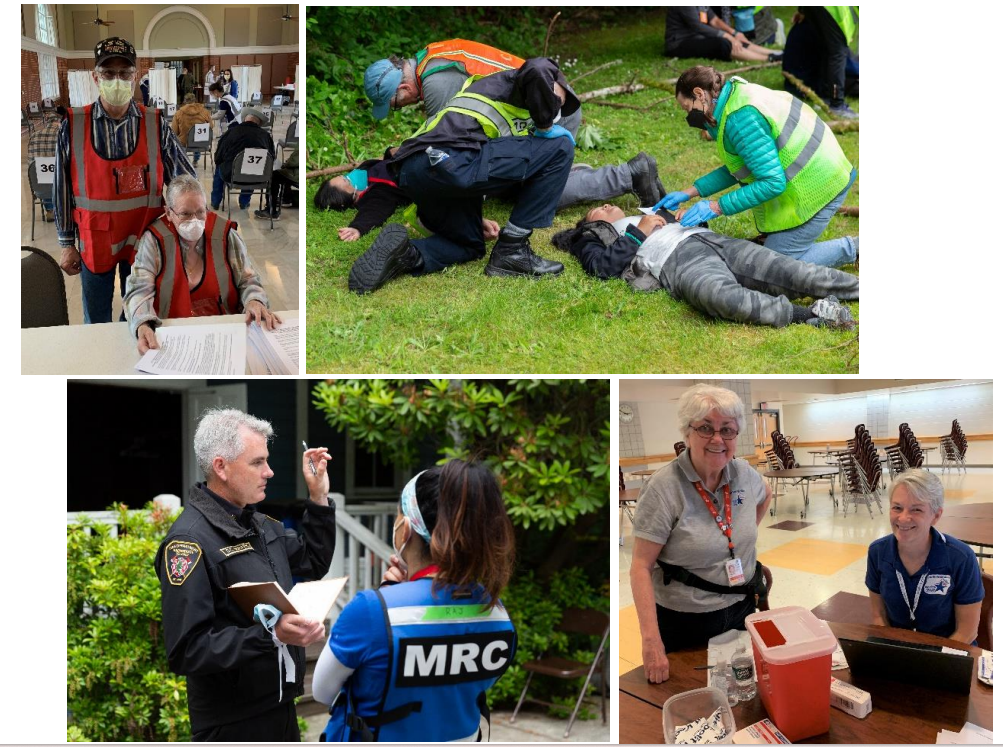
MRC Photo Gallery

2024 MRC National Summit
MRC Unit Leaders and State Coordinators gather at the 2024 MRC National Summit

Marin County MRC (CA)
MRC volunteers in California participate in an emergency preparedness exercise.

Manasota MRC (FL)
Manasota MRC volunteers support response to a fire at Port of Manatee in Palmetto, Florida by setting up a firefighter rehabilitation station in their Medical Aid Station Trailer (MAST).

South Carolina Veterinary Reserve Corps (SC)
Volunteers participate in a slack water training.
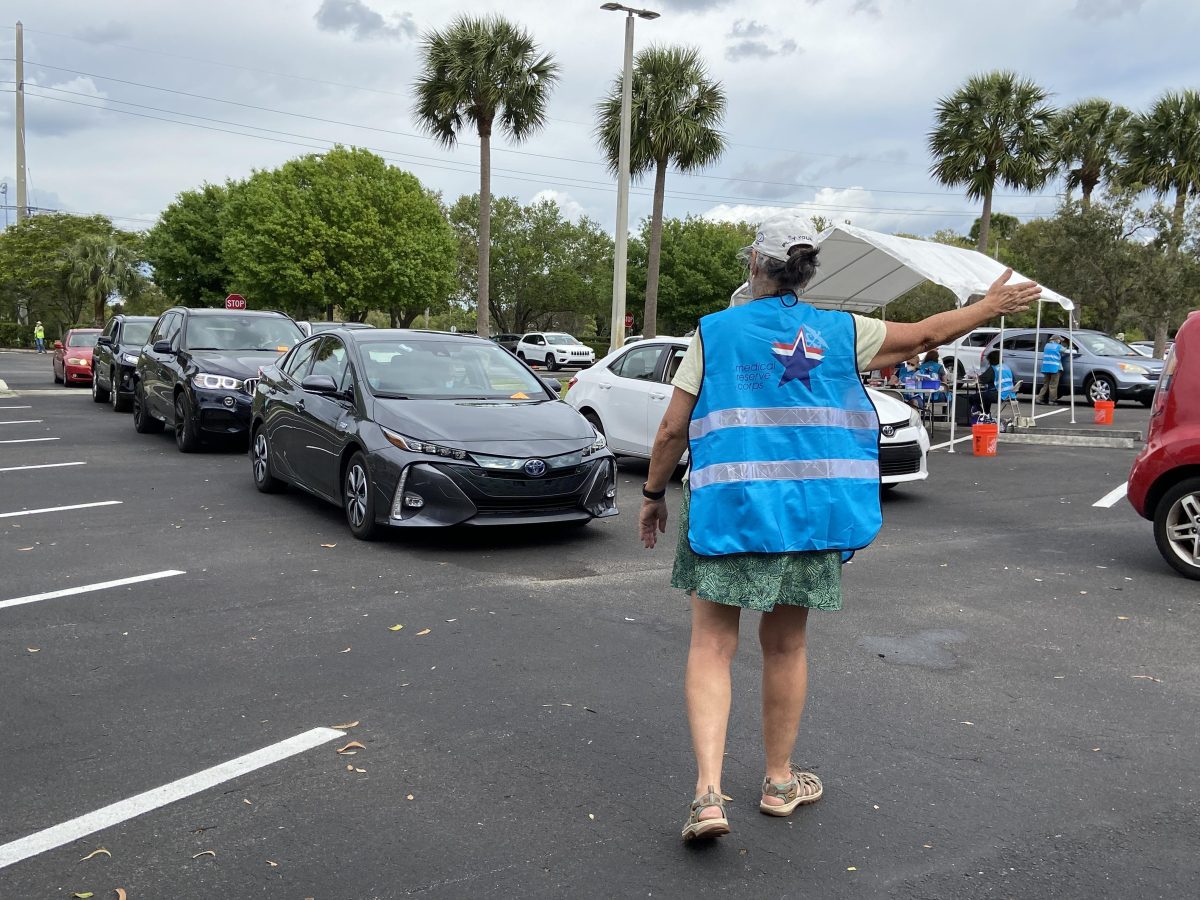
Martin County MRC (FL)
A Martin County MRC volunteer directs traffic at a testing site in Florida.