This blog embodies NACCHO’s mission to empower local health departments and drive positive change.
Join NACCHO for an upcoming webinar highlighting two distinct approaches to IPC-themed escape rooms in public health settings.
Mar 10, 2026
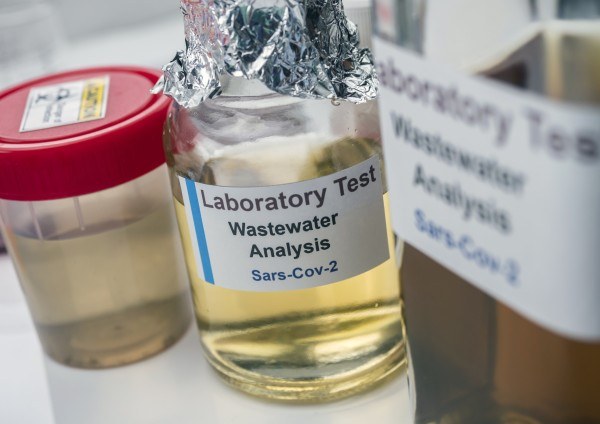
A NACCHO tool for LHDs considering initiating or expanding local wastewater monitoring.
Mar 05, 2026 | Rebecca Rainey
Yolo County Environmental Health division describes their 2-day site visit with mentee Humboldt County Environmental Health in...
Mar 04, 2026
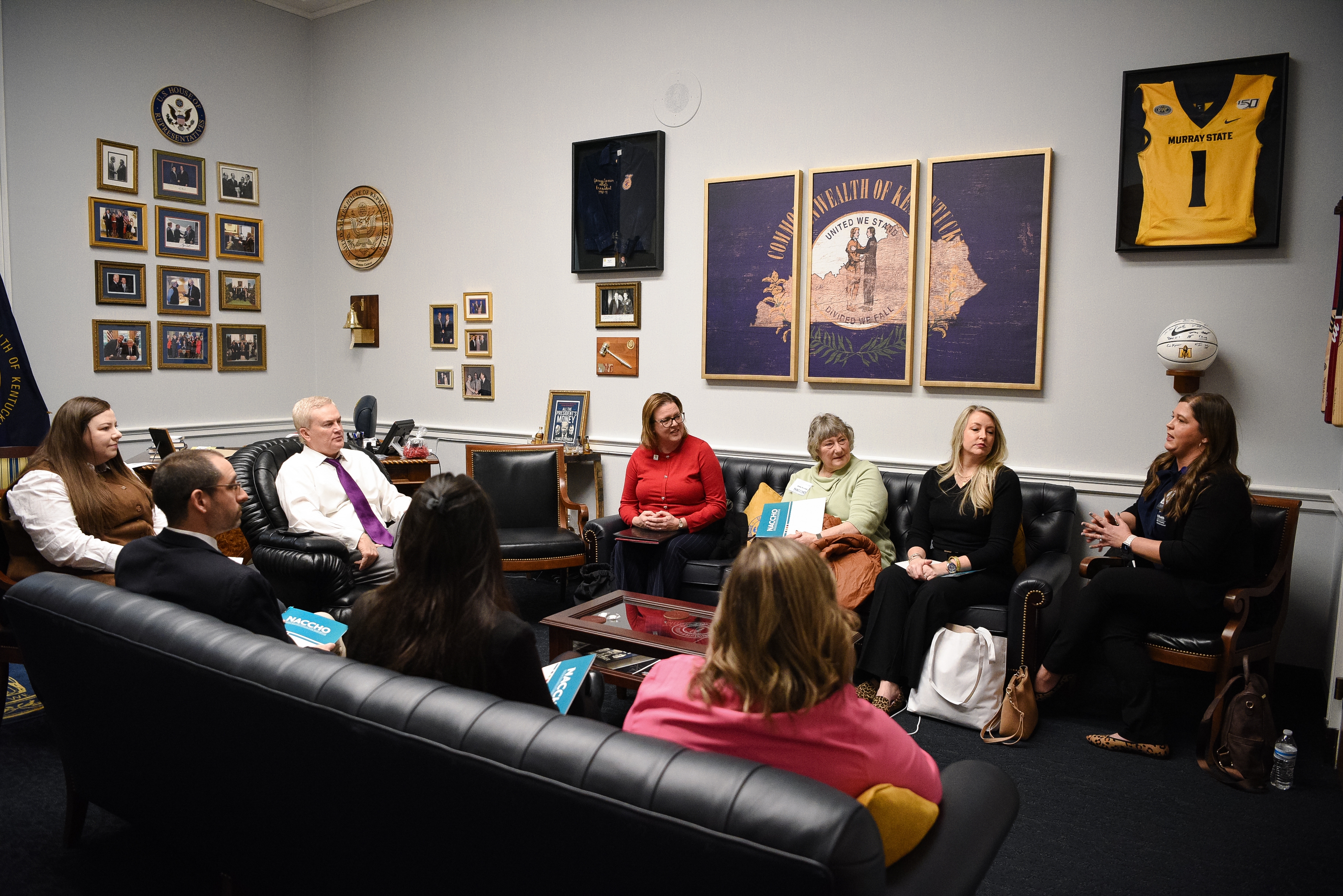
NACCHO was proud to convene more than 100 local public health professionals in Washington, DC for our annual Local Public Health on...
Mar 03, 2026 | Victoria Van de Vate
The first webinar in NACCHO's new series on PrEP for HIV prevention is now available for viewing on-demand.
Feb 27, 2026 | Julia Zigman
This course prepares practitioners to make informed legal decisions related to emergency preparedness and response activities in their...
Feb 27, 2026
This webinar will examine how strong partnerships and innovative programs can improve outcomes for those at most risk of overdose.
Feb 25, 2026 | Madeline Masog
NACCHO is excited to launch a new executive summary report showcasing findings from the 2025 Improving Breastfeeding Outcomes in the...
Feb 24, 2026 | Talei Moore, Tucker O'Donnell, Trent Johnson
A practical discussion on how AI is being used today—and where it can most effectively strengthen collaboration.
Feb 19, 2026 | Gelilawit Tamrat
Yolo County Environmental Health division describes their 2-day site visit with mentee Humboldt County Environmental Health in California.
NACCHO was proud to convene more than 100 local public health professionals in Washington, DC for our annual Local Public Health on the Hill event.
This course prepares practitioners to make informed legal decisions related to emergency preparedness and response activities in their jurisdictions.
NACCHO is excited to launch a new executive summary report showcasing findings from the 2025 Improving Breastfeeding Outcomes in the US Southeast CoP.
Create an account or login to MyNACCHO and go to "My Subscriptions."
Calendar
Highlights community models that are implementing recommendations from NACCHO’s Continuity of Care in Breastfeeding Support Blueprint.
Register
How can we support infection prevention programs in long-term care despite workforce and resource challenges? Find out.
LHDs will better understand assisted living communities, explore considerations for IPC training and outbreak preparedness, and more.
New and current NACCHO Members are encouraged to join and learn more about navigating your membership, your member benefits, and new opportunities.
New "Relationship Building for Public Health Professionals" helps strengthen relationships with community members, organizations, and...
Jul 27, 2026 | Olivia Turay
The COVID-19 pandemic highlighted longstanding gaps in vaccine confidence and access.
Apr 03, 2026 | Tori Ryan
MAPP is our flagship framework for community health improvement, a community-driven strategic planning process to address population...
Feb 13, 2026
Registration is now open for two in-person Mobilizing for Action through Planning and Partnerships (MAPP) 2.0 trainings from NACCHO.
Dec 09, 2025 | Andrea Grenadier
Join us for our January MAPP Learning Community Session: MAPP 2.0 and Accreditation with PHAB Version 2022.
Dec 08, 2025 | Andrea Grenadier
NACCHO’s infectious disease initiatives are helping LHDs strengthen infection prevention and control infrastructure.
Oct 30, 2025 | Candice Young
Check out all the NACCHO blogs.
The Essential Elements of Local Public Health provides updates and information from NACCHO’s Environmental Health and Infectious Disease portfolios.
Stories from the Field provides a means for local health departments to share their experiences and demonstrate the value of public health.
The Preparedness Brief provides updates and information from NACCHO’s public health preparedness portfolio.